

Books, courses, articles, and more.
I think we need to reconsider using the word reconciliation when talking about finding friendship across the dividing lines of race. If we are a country built upon the principles of a predominantly white culture, what exactly are we returning to that would bring healing? We need conciliation.
Spiritual disciplines are practices that orient the heart past distractions to uncover God’s heart. Isaiah 58 exposes the deceit of religious observance devoid of justice for the oppressed and poor.
A Juneteenth reflection on why many brothers and sisters of color view American independence through a different lens. To love our neighbors, we must open our ears to history from outside our own cultural bubble.
Generational poverty requires a fundamentally different response than situational poverty. Short-term relief cannot fix long-term systemic disinvestment; the church must step into holistic community development.
Originally published by RELEVANT Magazine. As millions face housing insecurity and displacement from predatory gentrification, local congregations must move past short-term food pantries into housing advocacy.
An insatiable desire for recognition has infected modern ministry. The kingdom of God has no church logo. There is not one ministry that has the market on how to reach a city.
Distinguishing between generational and situational poverty is crucial for Christian mission. Situational poverty is caused by sudden circumstance; generational poverty involves multi-generational systemic lack of resources and social capital.
A vision for the future of the church in America and around the world. Balancing honor for previous generations of church planting with a holy discontent that urges us to innovate by the Holy Spirit.
We cannot see everything. God promises enough light for the next step or two forward. Five foundational values for leading a global network of ministers in Spirit-led innovation and relational fidelity.
Exegetical analysis of Mark 12:38-13:2. Jesus directly critiques religious institutional systems that devour widows’ houses while making long prayers for show. God is deeply concerned with how religion treats the most vulnerable.
Drawing on Ronald Sider’s foundational theology: While God loves all persons equally, Scripture reveals that God is not neutral in the struggle for justice. He repeatedly exalts the poor and opposes oppressive systems.
A structured, actionable multi-stage framework for churches seeking to transition from homogenous isolation to intentional racial and socioeconomic diversity.
The story of relocating Center City Church to the borderline between affluent Uptown Charlotte and high-poverty East Charlotte. Learning that God uses tension to reveal beauty in brokenness.
Pastoral guidance for leaders of predominantly white congregations on honoring Black History Month with substance, humility, and ongoing commitment rather than superficial tokenism.
A personal confession from pastoring Center City Church. Recognizing how evangelical silence regarding Dr. King’s prophetic legacy sends an unmistakable message to people of color.
Reflecting in Influence Magazine on the spiritual crisis that unfolded when I realized my thriving congregation in Charlotte was completely oblivious to the economic distress three blocks away.
The theological why and strategic how of neighborliness. Crossing lines of difference is not an optional ministry elective; it is central to the gospel of Jesus Christ. Healthy congregations must reflect the socioeconomic and racial demographics of their surrounding cities.
Dr. David Docusen’s Doctor of Ministry dissertation. In Mark 12:28-34, Jesus establishes the Great Commandment. This project presents an empirical and theological study of Charlotte’s racial/economic segregation and establishes a church-based model for community transformation.
Inclusion often implies that those in power are graciously inviting marginalized voices into an existing, dominant table. Genuine diversity requires shared power, mutual transformation, and dismantling paternalistic structures.
Intentional parenting in the face of racial injustice. How parents can create safe, honest family spaces to address racial bias, foster empathy, and cultivate courage in the next generation.
Published on FaithGateway (HarperCollins). God does not hand us stadium floodlights that reveal the entire horizon of justice at once. He gives us a lamp for our feet—enough light for the next faithful step toward reconciliation.
When you build real, mutual relationships across economic and racial dividing lines, you stop trying to "fix" a neighborhood from the comfort of your office and instead begin to fight for friends who are hurting.


Love Like Jesus. Cross Dividing Lines. Transform Your Community.

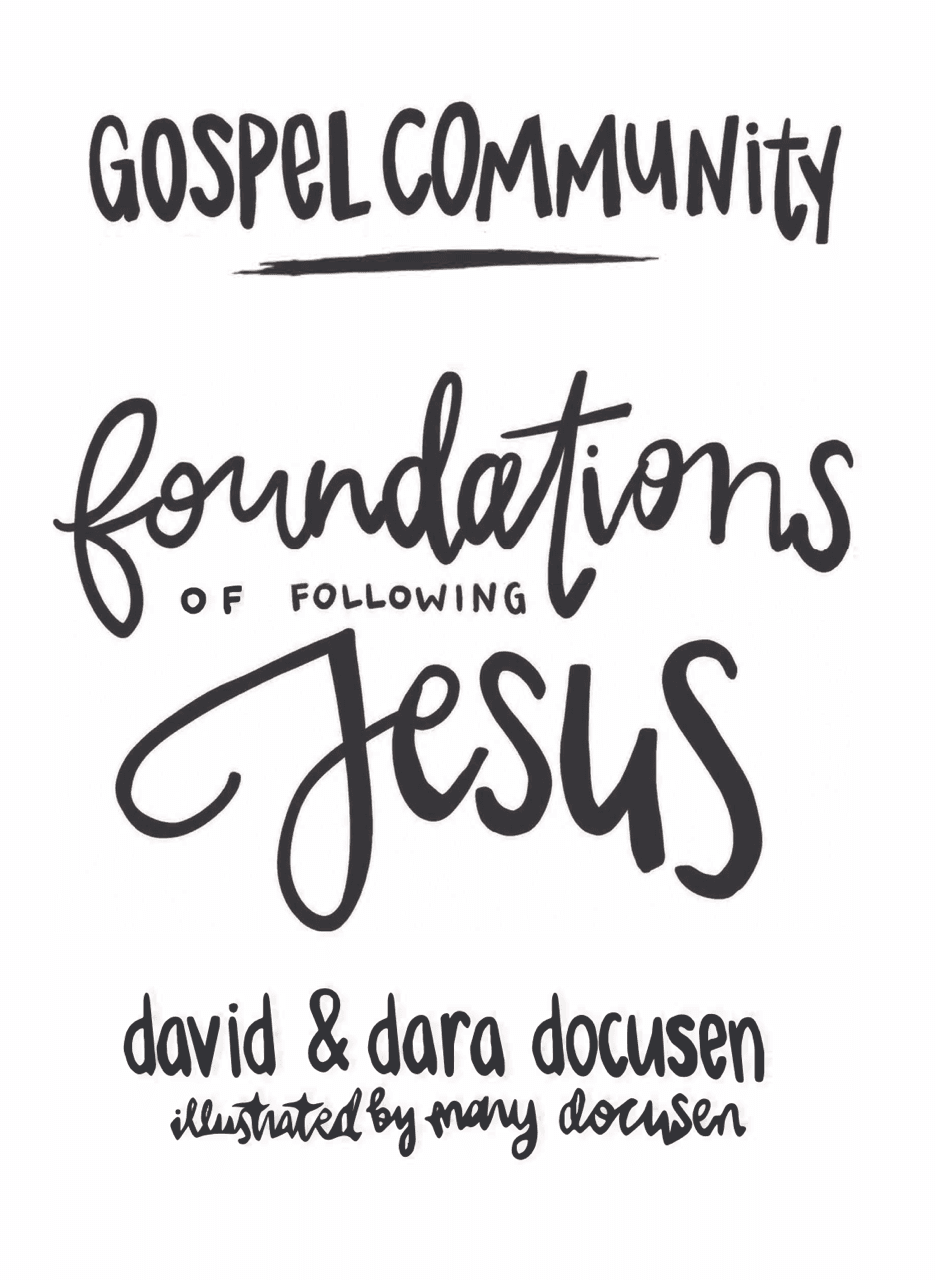
A Guide for Your First Steps of Faith
Seed course 1 for David Docusen. Replace with full curriculum when ready.
Seed course 3 for David Docusen. Replace with full curriculum when ready.
Seed course 5 for David Docusen. Replace with full curriculum when ready.